Disclaimer: Miele Guide. This site provides fashion and lifestyle content for informational purposes only.
Deciding to get breast implants is a significant and personal choice that many women make for various reasons — whether to enhance their appearance, restore volume after pregnancy or weight loss, or rebuild after surgery. While the idea of breast augmentation is exciting, it’s essential to understand what to expect throughout the process to make informed decisions and feel confident about your journey. From initial consultations and surgical procedures to recovery and long-term care, this blog will guide you through the key stages and considerations involved when thinking about breast implants.
What Happens During the Initial Consultation
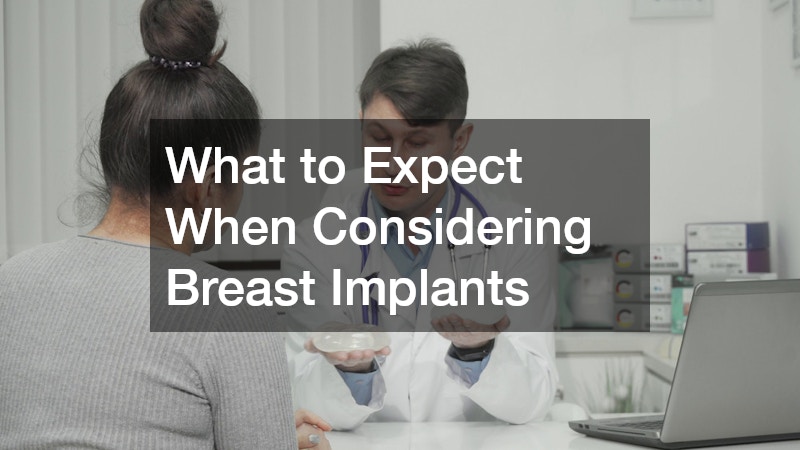
When considering breast implants, the first important step is meeting with a qualified plastic surgeon. During this consultation, you will discuss your goals, medical history, and lifestyle to determine whether breast augmentation is a suitable option.
The surgeon will explain the different implant types, sizes, and surgical techniques available to help you envision the potential outcome.
A thorough physical examination will be conducted to assess your chest anatomy, skin elasticity, and overall health. The surgeon may take photographs to plan the procedure and show you possible results using imaging technology. This is also a time to ask any questions or voice concerns, including topics like scarring, implant longevity, potential complications, and recovery timelines.
Being open and honest during this appointment ensures the surgeon understands your expectations and can tailor the approach to suit your unique needs. Remember, choosing breast implants is about enhancing your confidence and feeling comfortable in your own skin, so clear communication is key.
The Surgical Process and What to Expect
On the day of surgery, breast implants are typically placed under general anesthesia, meaning you will be asleep and free of pain throughout the procedure. The operation usually takes one to two hours, depending on the complexity and techniques used.
During surgery, the surgeon will make incisions in discreet locations — such as under the breast crease, around the areola, or under the arm — to minimize visible scarring. The implant is then inserted either under the chest muscle or directly behind the breast tissue. Each method has its pros and cons related to recovery time, appearance, and sensation, which you will have discussed during your consultation.
After placing the implant, the surgeon will close the incisions with sutures and apply dressings or bandages to protect the area. Most patients stay in the hospital or surgical center for a few hours before going home, usually on the same day.
While the surgery is straightforward, it’s important to remember that each person’s experience is unique, and your surgeon will provide detailed pre- and post-operative instructions to support a smooth procedure and recovery.
Recovery Expectations and Tips for Healing
The recovery period after breast implant surgery varies but generally involves a few weeks of gradual healing. You can expect some swelling, bruising, and discomfort around the chest area in the days following surgery, which can be managed with prescribed pain medications and cold compresses.
It’s important to get plenty of rest and avoid strenuous activities, heavy lifting, or exercises that strain the chest muscles for at least four to six weeks. Wearing a supportive surgical bra or compression garment, as recommended by your surgeon, helps reduce swelling and support the healing tissues.
Follow-up appointments are crucial during recovery to monitor your progress, remove stitches if necessary, and address any concerns. It’s common to feel tightness or numbness in the breast area, but these sensations typically improve with time.
Maintaining a healthy lifestyle, staying hydrated, and avoiding smoking can also promote better healing and reduce the risk of complications. Patience is key, as it may take several months for the breasts to settle into their final shape and for scars to fade.
Long-Term Considerations and Maintenance
Choosing breast implants means committing to long-term care and awareness. While implants are designed to be durable, they are not lifetime devices. Many manufacturers recommend regular check-ups with your plastic surgeon to monitor implant condition and breast health.
Some women may eventually need replacement or removal of implants due to natural aging, changes in body shape, or implant-related complications such as rupture or capsular contracture (scar tissue hardening around the implant). Staying informed about your body’s changes and seeking medical advice if you notice unusual symptoms like lumps, persistent pain, or swelling is important.
Breast implants generally do not interfere with breastfeeding, but it’s advisable to discuss this with your surgeon if you plan to have children. Additionally, routine mammograms and breast exams should continue as part of your overall health care.
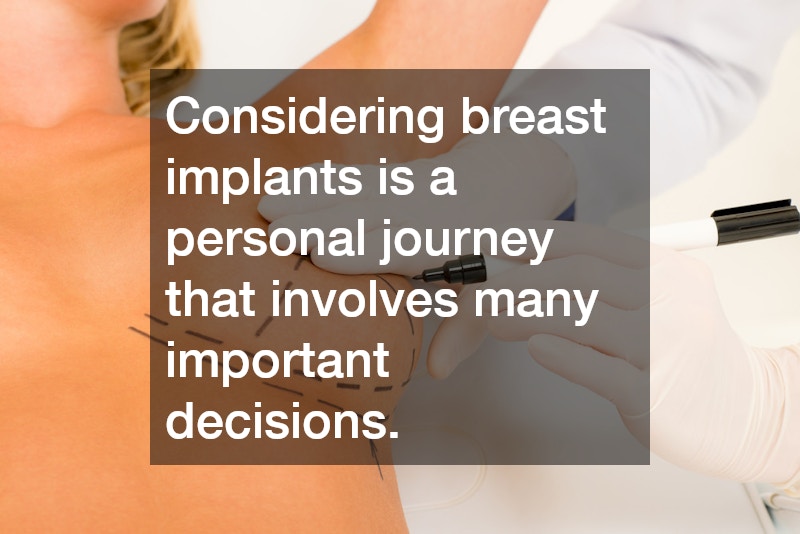
Considering breast implants is a personal journey that involves many important decisions. Understanding what to expect—from the initial consultation and surgical procedure to recovery and long-term care—can empower you to make informed choices that align with your goals and lifestyle. Breast implants can enhance your appearance and confidence when approached thoughtfully and with the right guidance.
By partnering with a skilled surgeon and committing to proper care before and after surgery, you can support a positive experience and enjoy the benefits of your decision. Whether you are seeking cosmetic enhancement or reconstructive surgery, knowing the facts about breast implants helps you feel prepared and confident every step of the way.